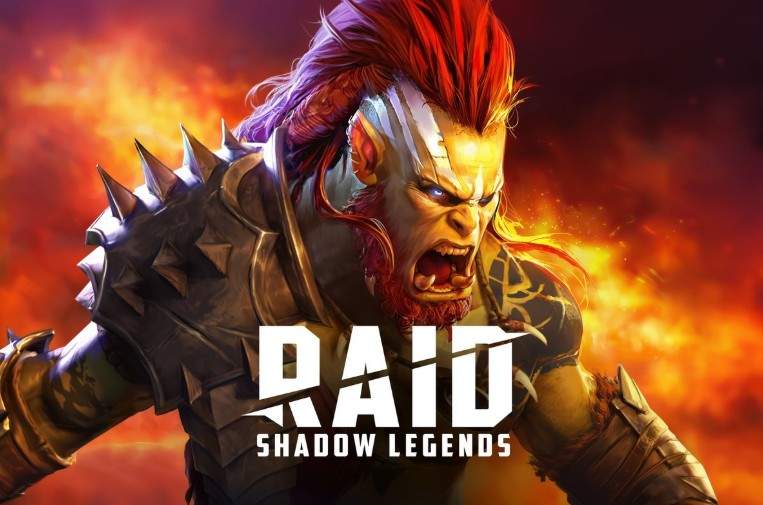
Plarium has never hidden what Raid Shadow Legends is. It is a collection game built on long odds. The structure assumes you will stay for years rather than weeks.
What newer players tend to miss is how front loaded the difficulty is. The first three months are the hardest part of the game, and almost none of that difficulty comes from combat.
Listings for Raid Shadow Legends accounts have been a visible part of the marketplace landscape for years. They exist because that opening stretch is genuinely brutal. Before getting into whether buying makes sense, it helps to be precise about what the grind involves.
What a competitive account requires
Clearing Doom Tower hard, running Hydra at a respectable damage tier and holding an Arena position all demand the same foundation. You need a handful of specific champions. Each at level sixty, each with six star gear in the right sets, each with masteries filled out.
That last requirement quietly eats months. Masteries cost scrolls, scrolls come from Minotaur, and Minotaur runs are capped by energy. A single champion’s full mastery tree takes a serious run of farming. A competitive roster needs twelve to fifteen of them.
The energy ceiling is the actual wall
Everything in Raid routes back to energy. Campaign farming for food champions, dungeon runs for gear, Minotaur for scrolls and Fire Knight for accessories all draw from the same pool. Plarium refills it slowly and sells refills constantly, which tells you where the pressure point sits.
The practical effect is that free time does not break the ceiling. A player with eight hours a day and a player with two hours a day end up in similar places. Neither can spend energy they do not have. Progress is measured in weeks of accumulated refills rather than in hours played.
Where the account market came from
Once progress becomes a function of calendar time, a second hand market is close to inevitable. Established accounts carry things Plarium will not sell you at any price.
A roster built across three years of shard pulls. Legendary champions from retired fusion events. Blessings assigned before a rebalance changed what was optimal.
Marketplaces such as Eldorado list this category alongside dozens of other mobile titles, and demand stays steady rather than seasonal. Most buyers are not new players. They are returning players who do not want to start the energy grind again from zero.
The counterweight is straightforward. Plarium’s terms prohibit account transfers. Recovery after a dispute is not guaranteed. An account you did not build is also an account you do not fully understand, and plenty of buyers find their new roster strong on paper but badly geared for the content they wanted.
Advice for building rather than buying
If you are staying the slow route, a few decisions pay off out of proportion to their effort:
- Pick one dungeon and push it to stage twenty five before spreading energy around. Partial progress across four dungeons is worth less than completion in one.
- Build a farmer early. Clearing Brutal twelve three on auto with a single champion changes your whole energy economy.
- Do not six star champions you like. Six star the champions your missing content requires.
- Save shards for double chance events. The difference across a year is substantial.
The part that gets easier
It is worth saying that the curve does flatten. Once you have a reliable campaign farmer, a working Clan Boss team and one dungeon cleared to the top stage, the game changes character.
Resources start arriving faster than you can spend them. Gear from stage twenty five dungeons replaces most of what you were using. Progress stops feeling like a wall and starts feeling like maintenance. Almost everyone who quits does so before reaching that point, which is a shame, because the version of Raid that veterans describe is the one that sits on the other side of it.
The honest summary
Raid Shadow Legends asks for patience in a very literal sense. The limiting factor is the calendar rather than the player. That is why accounts trade, and why they will keep trading as long as energy gates progress.
Whichever route you take, the thing worth knowing up front is that the hard part is not learning to play. It is surviving the first season without deciding the whole thing is too slow to bother with.