
There was a time when YouTube was considered an entertainment hub for uploading music, movies, and more. However, over time, viewers began using the platform as a search engine. When they want to buy a product, they go to YouTube to see how it works and to watch reviews.
With this shift, the brand recognized an untapped B2B social media marketing opportunity of nurturing leads on YouTube and even converting them. Today, YouTube is a powerful platform for implementing your B2B social media marketing strategy. This guide shows you how to do it.
Why YouTube for B2B Marketing?
According to one study, 96% of social media users rely on YouTube for product reviews, underscoring the platform’s role in B2B marketing decisions. Another study indicates that brands that use YouTube video content marketing see higher conversion rates than those that don’t.
As the second-largest search engine, YouTube has enabled brands to reach decision-makers searching for solutions to their problems. The platform is effective for driving long-term traffic by using educational content to build trust and providing higher engagement than text. Additionally, YouTube is a good choice for full-funnel marketing, from brand awareness and lead generation to conversion.
YouTube enables brands to deliver unique benefits tailored to B2B audiences, transforming brand communication and enabling professional engagement. Some of the key benefits of YouTube for B2B marketing include:
- Offers a direct connection. You can use it to deliver high-quality content that positions your business as a thought leader, thereby reaching business executives who use YouTube to search for information in their niche.
- Leading Streaming platform. YouTube has emerged as a leading streaming platform, outperforming competitors such as Netflix and Amazon Prime Video. That means YouTubers are now replacing conventional TV, making them an effective platform for reaching decision-makers directly in their living rooms.
- Better trust building. Video content is a great way to build trust, with 93% of B2B buyers reporting that it helps them trust a company.
- Long-term traffic. Social media posts are usually transient, but YouTube videos can continue to attract organic search traffic in the long term. Using effective keyword integration, compelling descriptions, and high-quality thumbnails, your B2B company can continue to attract content from Google and YouTube over the long term. Additionally, YouTube can easily capture and sustain viewer attention.
- Higher viewer retention. Video content enables viewers to retain at least 95% of information, compared with 10% for text content. That means YouTube can be a valuable tool for reinforcing your brand messaging and educating potential B2B decision makers.
How to Use YouTube for B2B Marketing
Now that you understand how to use YouTube for B2B marketing:
Create Helpful Content
To generate results on YouTube for B2B marketing, you need to create outstanding content. Fortunately, there are different ideas you can try for your B2B blog.
- Repurpose blog posts into Vlogs. Blog posts on platforms like LinkedIn for lead generation are a staple of B2B marketing. If you created a blog post that performs extremely well, you can repack it into insightful and visually appealing vlogs or video blogs.
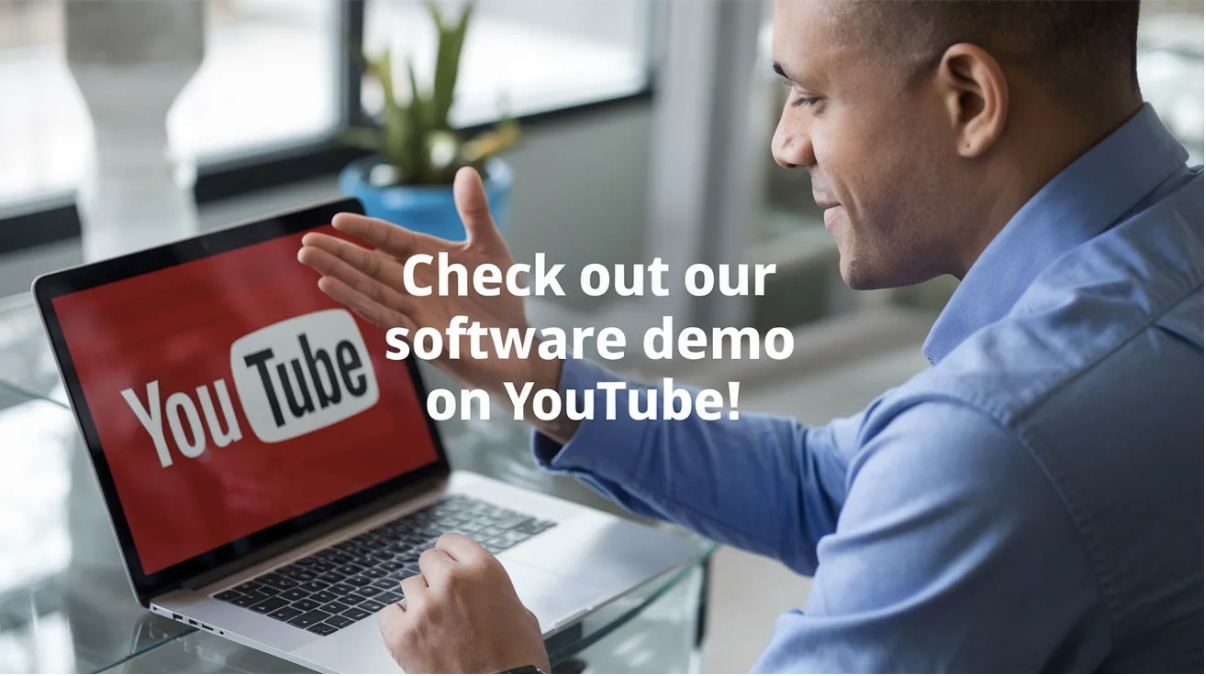
- Product demos. When product demos are written, they can sound boring and confusing. You can make them more engaging by showing your product in a video. A short video can highlight the product’s value in an engaging, compelling way. This is supported by statistics: 43% of B2B customers use online videos to find products or services for their business.
- Brand story video. Another content format that has proved useful in the B2B space is brand storytelling. You can create some short videos about your brand to highlight your ideal customers and what they do. You can even add employee interviews to humanize your brand.
Channel Branding
A YouTube channel is more than just a collection of videos; its branding will impact its effectiveness in driving B2B marketing. Some of the key details to pay attention to in a channel branding are
- Brand icons and banners. Just like other social media platforms, your YouTube channel should have a custom banner and brand icon. This can help guide users to your other social media platforms.
- Channel description. The About Section is also a great place to let your audience learn more about your brand. You can use it to provide more information about your company and what viewers can expect from the videos. Make sure you add a call to action, complete with a link to your site.
- Playlist. If you are creating different types of videos, you need to organize your themes so viewers can find what they are looking for. You can do that by organizing your videos into playlists. For instance, you can create a playlist for product demos, webinars, vlogs, and more to make your content easier to access.
Post Consistently
If you want to grow your YouTube audience, you must post consistently. In your content calendar, allocate space for video content alongside other content types. Doing that will ensure that your content remains fresh. When the YouTube algorithm sees that you are posting regularly, it is more likely to reward your videos with higher rankings.
Engage with Others
One of the key steps in B2B marketing is community building. That means, like other platforms, you need to build an online community. You can do that by connecting with other influencers’ and thought leaders’ accounts and regularly engaging with their content. When you come across videos that might interest your audience, share them. By doing that, other creators will notice you. Channels starting from zero sometimes pick up an opening batch of subscribers from YouTubeStorm first, though a count on its own does none of this community work.
Use YouTube Advertising
YouTube offers B2B marketers several options to advertise on the platform. These include ads that play before videos, banner ads displayed in SERPs, and the option to promote videos in YouTube search results. If you are struggling to create organic traffic to your videos, you can consider supplementing your content with YouTube ads.
Track Your Performance
You also need to track your channel’s performance to determine whether your strategy is working. You can use YouTube analytics to do that. Some of the metrics to pay attention to include engagement, watch time, traffic source, and bounce rate. By paying attention to this data, you can figure out who watches your videos and whether they engage your audience. You can then use the insights to adjust the strategy.
Final Thoughts
YouTube is a great platform for B2B marketing. Since viewers use it to research their favorite products and brands, brands can use the platform to reach decision-makers. For instance, if you are a software provider targeting retail stores, you can use YouTube to reach people who run software stores. Therefore, follow the steps above to use YouTube for B2B marketing.