Arcade-style Games Combine Simple Mechanics, Quick Feedback, And Short Sessions To Keep Players Engaged
Some of the special games played in a casino borrow from the same principles of speed, simplicity, and immediate results. Those who are interested in this format can explore BetUS specialty games, which include games such as Plinko, Crash, Mines, and other quick-play titles.
What Are Arcade Style Games?
Basically, arcade style games are built on the same mechanics and simple controls as the first arcade machines of the seventies and eighties, hence their name. They laid the foundations for the entire video game industry, and it’s easy to see why they were so popular: a simple but engaging idea, clear goals, and the possibility of finishing a session in a few minutes.
Simple, however, did not make them easy. The progressive difficulty of the games was one of their attractions, and it gave players a clear goal, whether that meant beating their own high scores or defeating a boss.
Pong, Space Invaders, and Pac-Man are the poster children of casual arcade games, which left a mark on a whole generation and became known as the pioneers of digital entertainment.
Why Do Simple Game Mechanics Work So Well?
For simple game mechanics to work so well, it takes more than just the mechanics themselves, and a great deal of that has to do with psychology.
Easy to Learn, Difficult to Master
Take, for example, a game where all one can do is run and jump. It requires only a few controls, but when you reach higher levels, it demands timing, precision, and speed. At a certain point, you learn the patterns and can anticipate what’s coming next.
Even a simple decision has a risk and reward factor: should I risk going for more points and possibly lose them, or should I play it safe to keep on going forward?
There is an important difference between learning the controls and mastering the game.
Instant Feedback Keeps Players Engaged
An arcade game is also a great example of an activity that immediately reveals its consequences.
The player presses a button and hears a sound; they hit a target and the score rises; they lose a life and an animation appears; they clear a level and can see their progress right away.
That feedback serves a practical purpose in arcade-style gameplay: it helps players understand the rules. Research on motivation adds some context too. Studies based on Self-Determination Theory have shown that positive feedback, clear goals, and opportunities to improve skills are associated with a greater sense of competence.
Short Sessions Encourage Replayability
Born as coin-operated experiences, the arcade format favored games that could communicate their rules quickly and offer relatively compact rounds. The Strong National Museum of Play documents how that format developed from the first commercial video games of the 1970s into a fundamental part of video game culture.
That’s why arcade games don’t need several hours to deliver a complete experience. A round can last minutes or even seconds and still have a beginning, a challenge, and a recognizable result, leaving the player hooked enough to come back for more.
Losing in three minutes and thinking “one more try” is very different from losing after an hour. There’s always a chance to beat the previous high score, to move to the next level, and so on.
From Arcade Cabinets to Mobile and Online Gaming
With the development of technology, arcade-style games no longer required a cabinet, and many of their principles, features, and characters migrated to digital platforms. It was the principle, not the cabinet, that survived.
A suggestion for a graphic from the media: a timeline graphic that follows the evolution of arcade cabinets to home consoles, mobile games, and modern online games.
The most striking examples are games on mobile devices, which are favored by simple touches and gestures such as tapping, swiping, or holding, which fit perfectly into the arcade-style philosophy of making players understand how to play as soon as they play.
Casual games, for example, can get a whole game going in a few seconds: go forward, avoid obstacles, collect items, and try to beat the score and distance of the previous play.
As for puzzle games, the initial rules can be very simple, but gradually the difficulty increases through new patterns, restrictions, and challenges. The philosophy of casual games is shared by web games and quick-start games too.
By shortening the time required to get going, they can offer the player a complete experience without demanding long game sessions or lengthy tutorials.
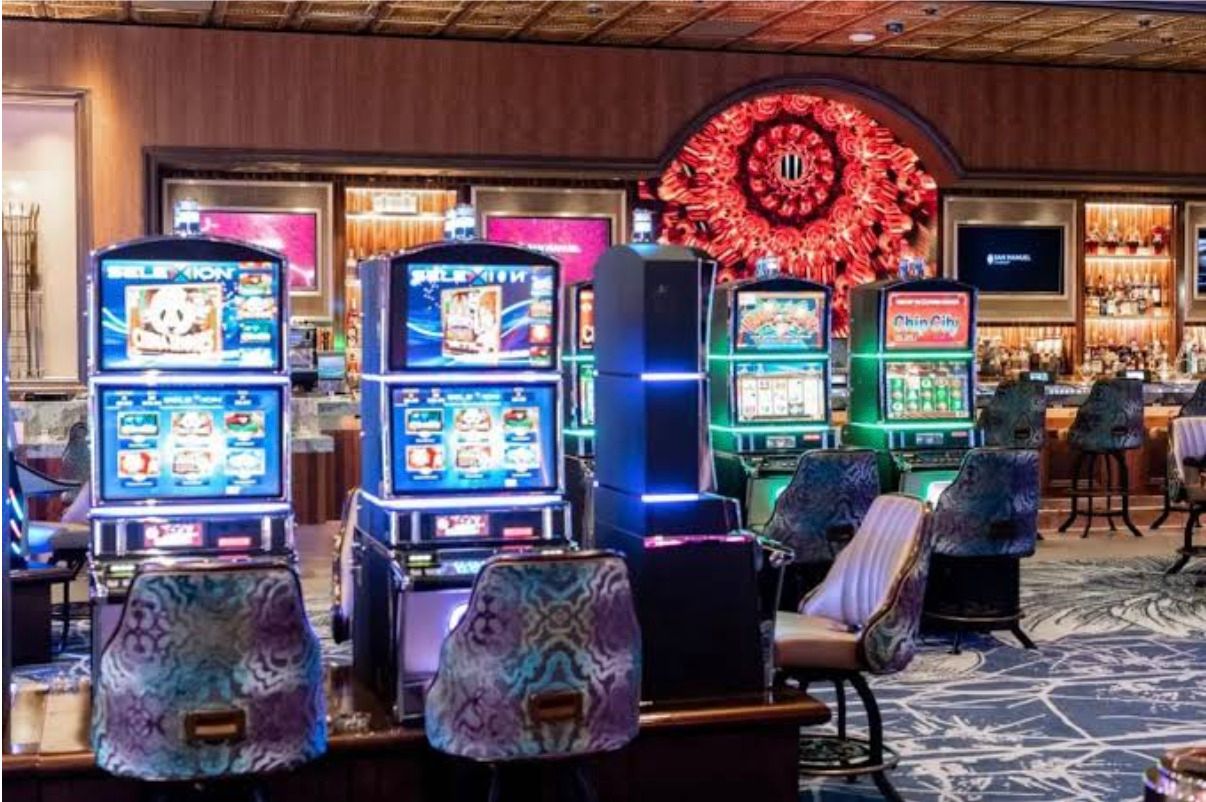
The digital gambling industry has borrowed some of the elements from the arcades, such as animations, sounds, and even mechanics.
What Makes Arcade-Style Casino Games Different?
The most obvious connection between arcade-style casino games and arcade video games lies in the experience of gaming. This is achieved by having a straightforward, easy-to-understand play system, quick rounds, little instruction and immediate feedback after every action.
In the case of a game like poker or blackjack, the comparison is visual, since the rules and strategies are far more complex than a simple game of Pac-Man at level 200.
On the other hand, most specialty games strive for a simple and almost immediate appeal.
Plinko is a good example of how casino arcade games work. The basic interaction is selecting the conditions of your play and watching a chip drop until it lands on one of the possible outcomes.
Mines uses another simple visual mechanic: the player picks spaces on a grid while trying to avoid certain squares. Crash shows progress through a multiplier that keeps climbing until the round ends.
Of course, the biggest difference lies in the risk involved, since arcade-style casino games give players the option to wager real money on every round.
The Betting Angle: Quick Games and Simple Decisions
One of the clearest connections between arcade-style games and certain casino games is speed. The rules are usually easy to understand, the choices are relatively simple, and the result of each round can be known quickly.
From the player’s perspective, this reduces friction. There’s no need to learn overly complex systems before starting, and depending on the game, there can be different risk levels or bet sizes that let players adjust the experience.
There’s one thing to stay alert to, though. When a round ends quickly and the next one can start almost immediately, it’s easy to focus on each individual result and lose sight of the total amount wagered across the whole session.
A small bet can seem insignificant on its own, but many bets placed in a short period can add up to a considerably larger exposure.
Before betting, it’s important to review the specific rules of the game, understand how results are determined, and know which decisions are actually under the player’s control. A simple or interactive interface also doesn’t make the results of chance-based games any more predictable.
Anyone curious about this kind of quick-round casino play can browse the BetUS specialty games selection, which currently features Plinko, Crash, Mines, and Chicken: Cross The Road, among others.
Setting a budget in advance, one meant exclusively for entertainment, can be especially important with this type of game.
FAQs
What are arcade-style games?
Arcade-style games are titles generally built around straightforward controls, immediate objectives, short sessions, and repeatable gameplay. The name comes from the coin-operated machines of the 1970s and 80s, but the formula now shows up well beyond physical arcades.
Why are arcade games so addictive?
Arcade games combine rapid feedback, clear goals, and quick, repeatable rounds, a mix that can encourage people to keep playing for “one more try.” That describes how the games are designed, and it isn’t a diagnosis of anything about the people who play them.
Are arcade-style games still popular today?
Yes, though not necessarily in cabinets. Arcade mechanics keep appearing in mobile, browser, console, and online games, even though traditional arcade cabinets are less central to gaming in many markets.
What are arcade-style casino games?
Some online casino titles borrow quick rounds, simple controls, and interactive mechanics associated with arcade-style entertainment. Their outcomes and wagering mechanics remain distinct from traditional arcade games, though, since real money can be at stake in every round.